








2025 – 2026
Friday January 16, 2026
AI and 6G: Communicate less to understand better, the secret of semantic communications
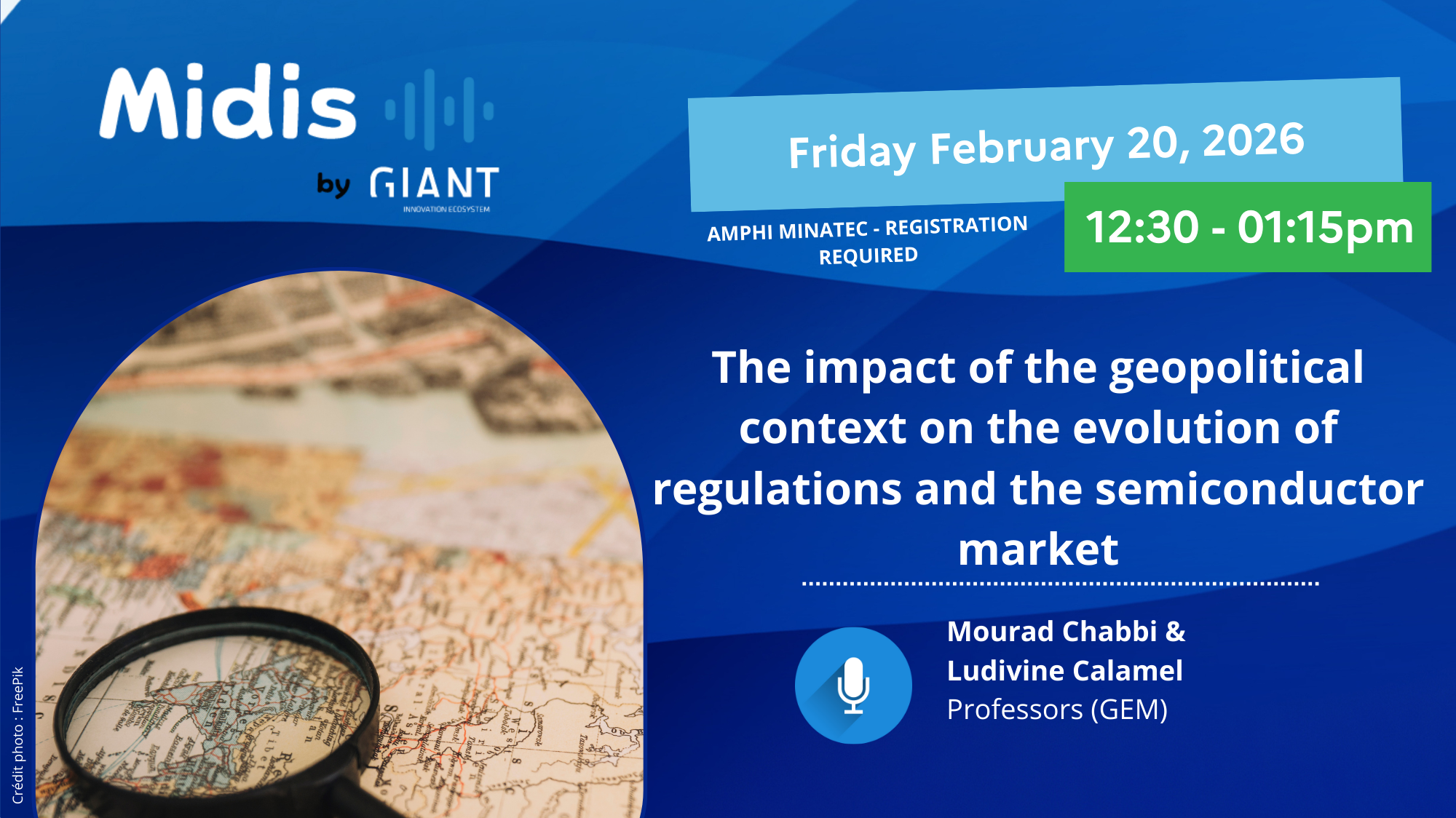
This conference focuses on how the geopolitical context impacts organizations, particularly those involved in the field of microelectronics (semiconductors). The speakers will present their findings as researchers on this topic.
A conference hosted by Mourad Chabbi, professor of geopolitics and lecturer-researcher in security and geopolitical risks at GEM, and Ludivine Calamel, senior professor of management sciences at GEM.
__________________
Friday January 16, 2026
AI and 6G: Communicate less to understand better, the secret of semantic communications
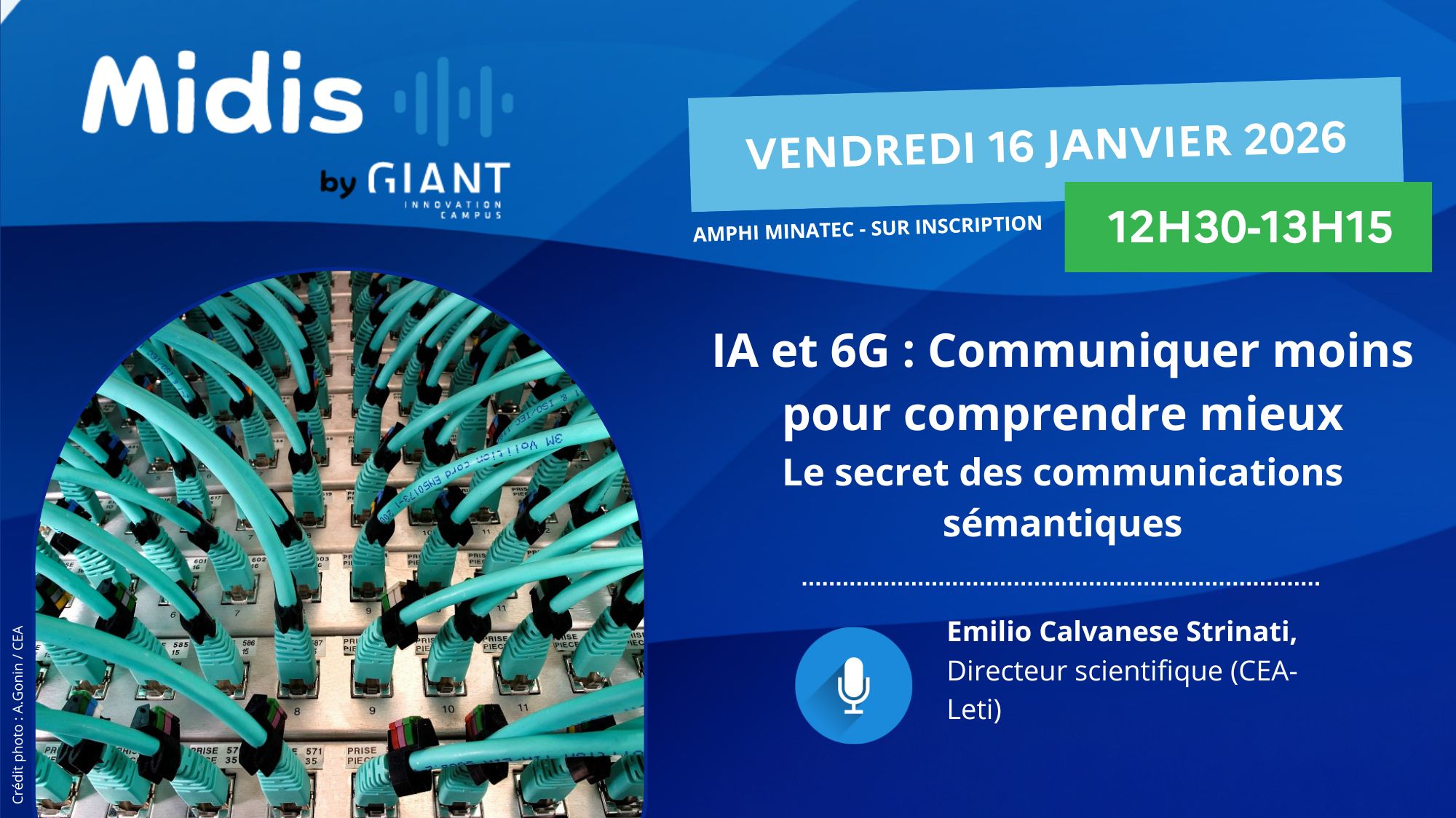
2030: We can expect a world where artificial intelligence systems communicate with each other not by spewing out enormous volumes of data, but by sharing only what is meaningful. In this future, 6G will no longer need to consume more to be faster or more powerful, but to think before sharing knowledge and data: it will become a bridge between human intelligence, artificial intelligence, and the physical world. This talk explores the role of semantic communications, an approach that transforms each message into meaningful content rather than incomprehensible zeros and ones. By learning to extract and transmit meaning, AI can collaborate, reason, and decide more effectively and sustainably. Less data, more understanding: this is the key to truly conscious and responsible networked intelligence. Concrete examples from European 6G projects show how this revolution could transform our lives and the way we design intelligent systems. The latest concepts developed at CEA-Leti also illustrate how these ideas are taking shape in applied research.
A conference hosted by Emilio Calvanese Strinati, PhD in Engineering Sciences at CEA-Leti and Director of the Wireless for 6G program.
__________________
Friday December 19, 2025
Egmont, from Goethe to Beethoven | Concert
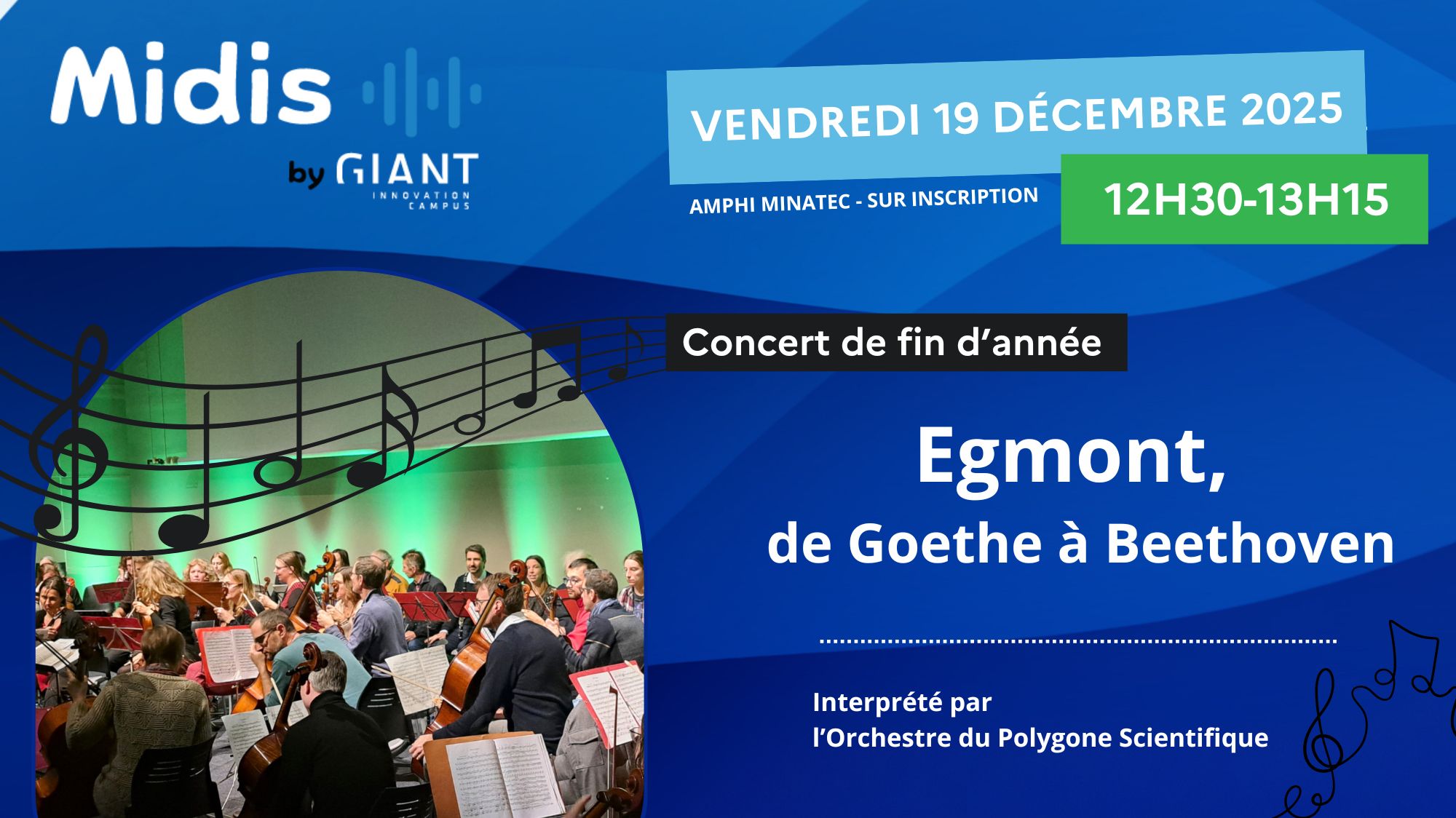
Written in 1788 by Goethe, the play Egmont was inspired by a historical event that took place in the 16th century in the Habsburg Netherlands. A few years later, Beethoven set it to music. “Beethoven was the only musician capable of capturing the deep essence of this work, which is both delicate and powerful.”
A concert presented by the Presqu’Île Scientifique orchestra of Grenoble for the holiday season.
No replay available
__________________
Friday October 10, 2025
Artificial intelligence raises as many promises as it does questions: is it simply a tool for automation, a rival capable of surpassing us, or a true ally that can enrich our human intelligence? Through concrete and accessible examples, this conference explores the three major roles that AI can play: automating repetitive tasks, accelerating analysis and decision-making, and increasing our cognitive abilities. How do these functions interact? And above all, what does it really mean to “augment” humans? A critical and stimulating journey at the frontier between science, society, and imagination.
A conference hosted by Stéphanie Gauttier, associate professor at GEM. A special edition as part of Parvis des Sciences 2025, which is part of the national Fête de la Science event, with the theme: Intelligence(s).
__________________
Friday September 12, 2025
The urban ecosystems of the Scientific Polygone (in french)

Ecological knowledge of a territory must be the focal point in order to implement management methods and development techniques that promote biodiversity.
You will discover an overview of the plant heritage of research establishments and public land, with the Grenoble Scientific Polygon as an example.
A conference presented by Florent Lugrin, Head of Green Spaces at the CEA center in Grenoble, and Christine Simoens in the second part, Head of the Biodiversity & Urban Agriculture Unit at the City of Grenoble’s Nature in the City Department.
__________________
Friday June 6, 2025
Glycosaminoglycans: From Sweet Chains to Complex Roles
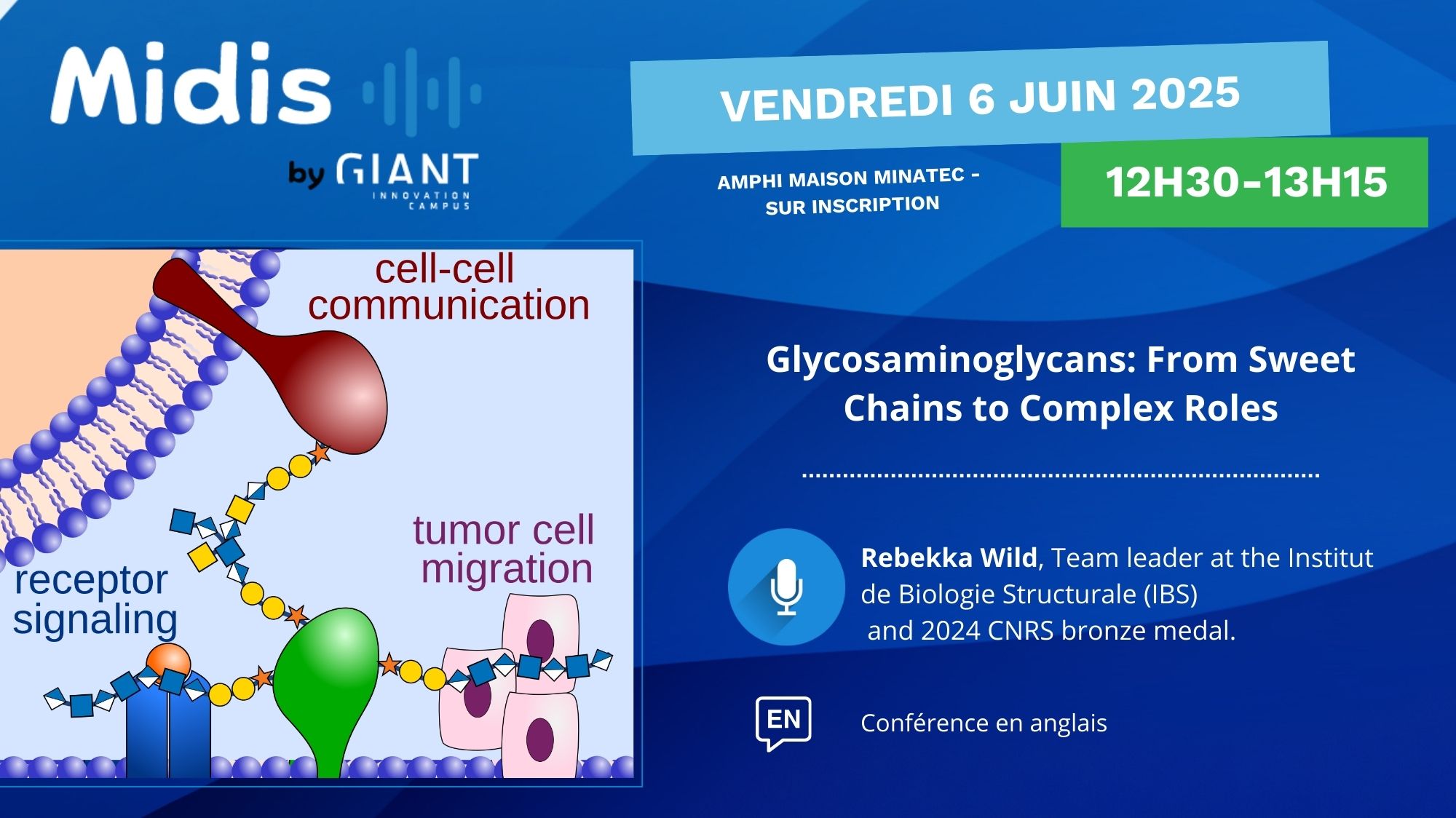
Glycosaminoglycans are long, linear, and structurally complex polysaccharide chains found on the surface of most animal and human cells. Given their strategic positioning, they are involved in a broad range of biological processes, including cell-cell communication, receptor signaling, and the regulation of cell growth and differentiation. At the same time, glycosaminoglycans play important roles in various diseases, including cancer, Alzheimer’s disease, and pathogen infections. Due to their complex architecture, studying the structure-function relationship of glycosaminoglycans remains challenging. Our aim is to improve the understanding of these fascinating macromolecules by investigating their biosynthesis, which occurs in the Golgi lumen and involves the fine-tuned action of more than a dozen different glycosyltransferases and glycan-modifying enzymes. Using cryo-electron microscopy, we determine high-resolution structures of these biosynthetic enzymes and elucidate their molecular mechanisms of action.
A conference presented by Rebekka Wild, Team leader at the Institut de Biologie Structurale (IBS) and 2024 CNRS bronze medal.
No replay available
__________________
Friday April 18, 2025
The livestock animal of tomorrow, with its biological, health, environmental, political-economic, ethical, and societal limitations (in french)
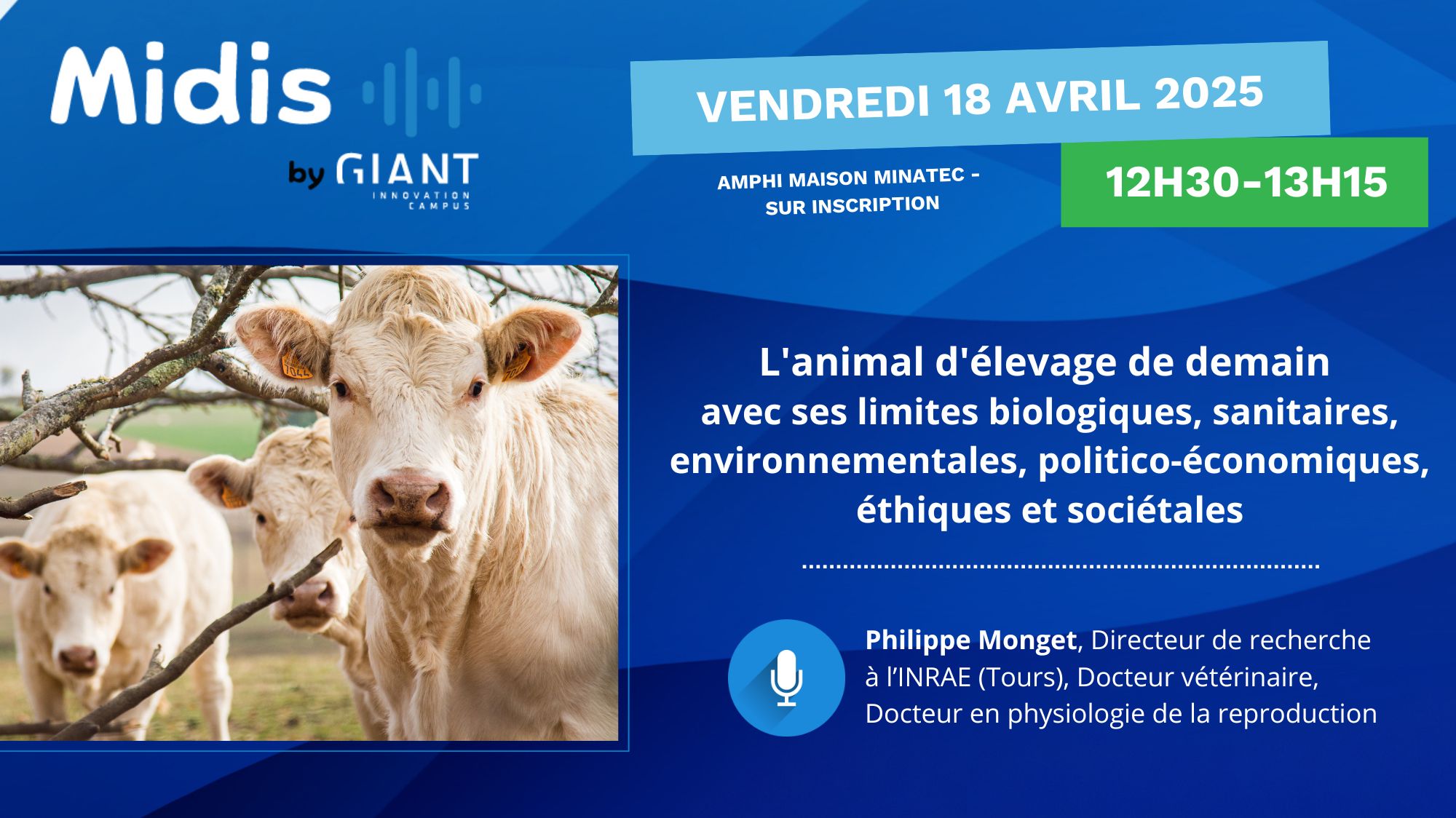
Farm animals are caught between their biological limitations (they cannot increase their milk, meat, or egg production capacity indefinitely), their health limitations (confinement or semi-freedom?), environmental constraints (indoor or semi-free range?), political and economic constraints (we live in an open world), and ethical and societal concerns (indoor or semi-free range?).
A conference presented by Philippe Monget, INRAE Research Director (Val de Loire center), Doctor of Veterinary Medicine, Doctor of Reproductive Physiology.
__________________
Friday March 14, 2025
Molecular machinery for fixing atmospheric nitrogen (in french)
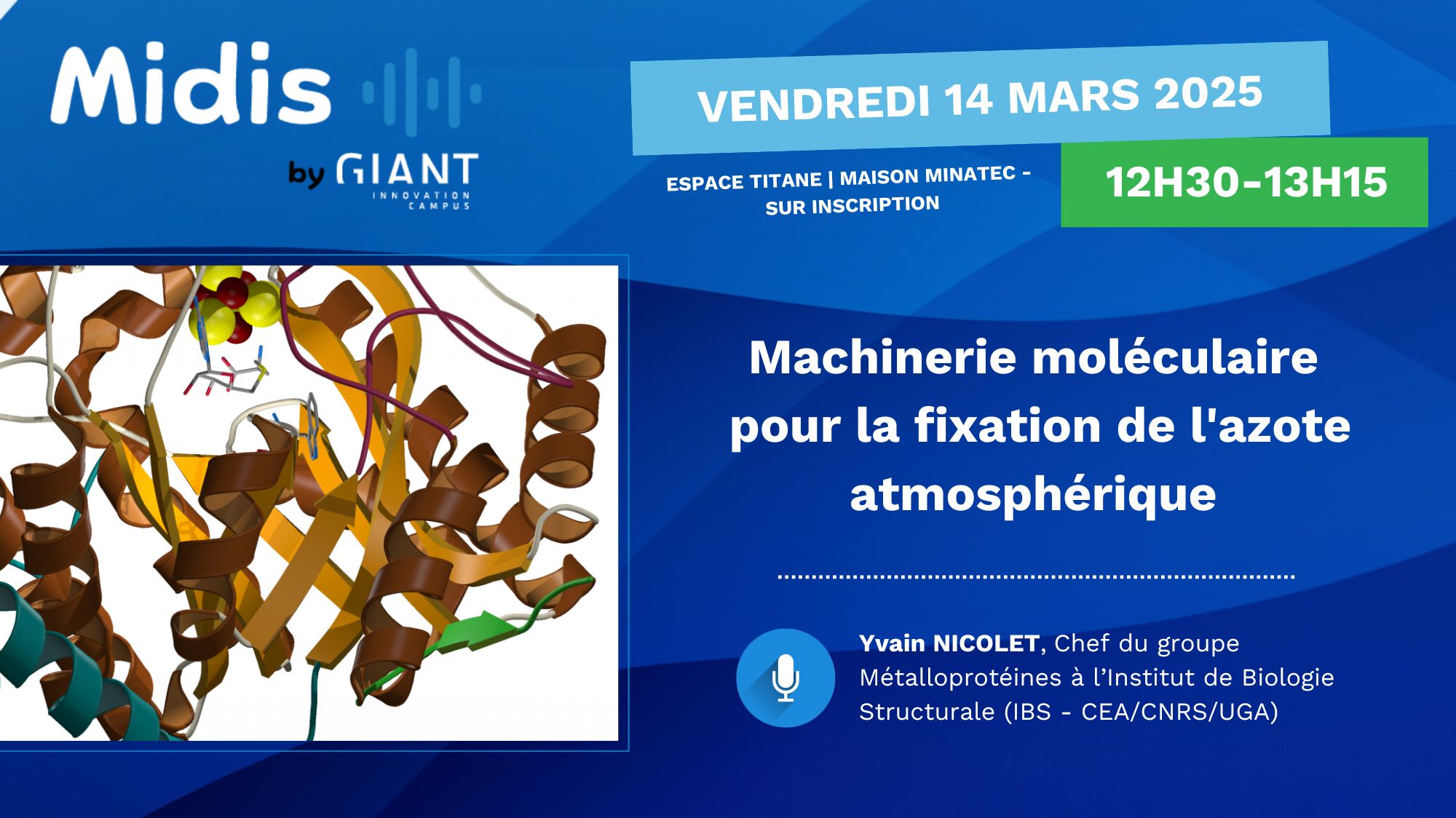
The use of transition metals associated with proteins enables living organisms to carry out chemical reactions that would otherwise be impossible with the 22 standard amino acids. Some of these reactions are central to the processes that emerged at the origins of life on Earth. Today, metalloproteins are responsible for many essential chemical reactions. Notably, nitrogenase is responsible for fixing atmospheric nitrogen to make it accessible to all living organisms. Its activity is made possible by the presence of metal cofactors, the production of which requires the coordinated action of many accessory proteins. In this presentation, we will discuss recent work carried out within our group aimed at elucidating the structure-function relationships of metalloproteins involved in the molecular machinery responsible for the production and insertion of the metallocofactor essential for nitrogenase activity. We will show how the structural architecture of these proteins is associated with dynamic processes that are essential for the progressive assembly of this cofactor and its insertion into the enzyme.
A conference presented by Yvain Nicolet, CEA Research Director, Head of the Metalloproteins Group at the Institute of Structural Biology (IBS – CEA/CNRS/UGA). Winner of the Dr. Henri and Mrs. Henri Labbé Prize, awarded by the Labbé Foundation of the French Academy of Sciences in 2024.
No replay available
__________________
Friday February 7, 2025
See the geology of the Alps in depth through seismic imaging (in french)
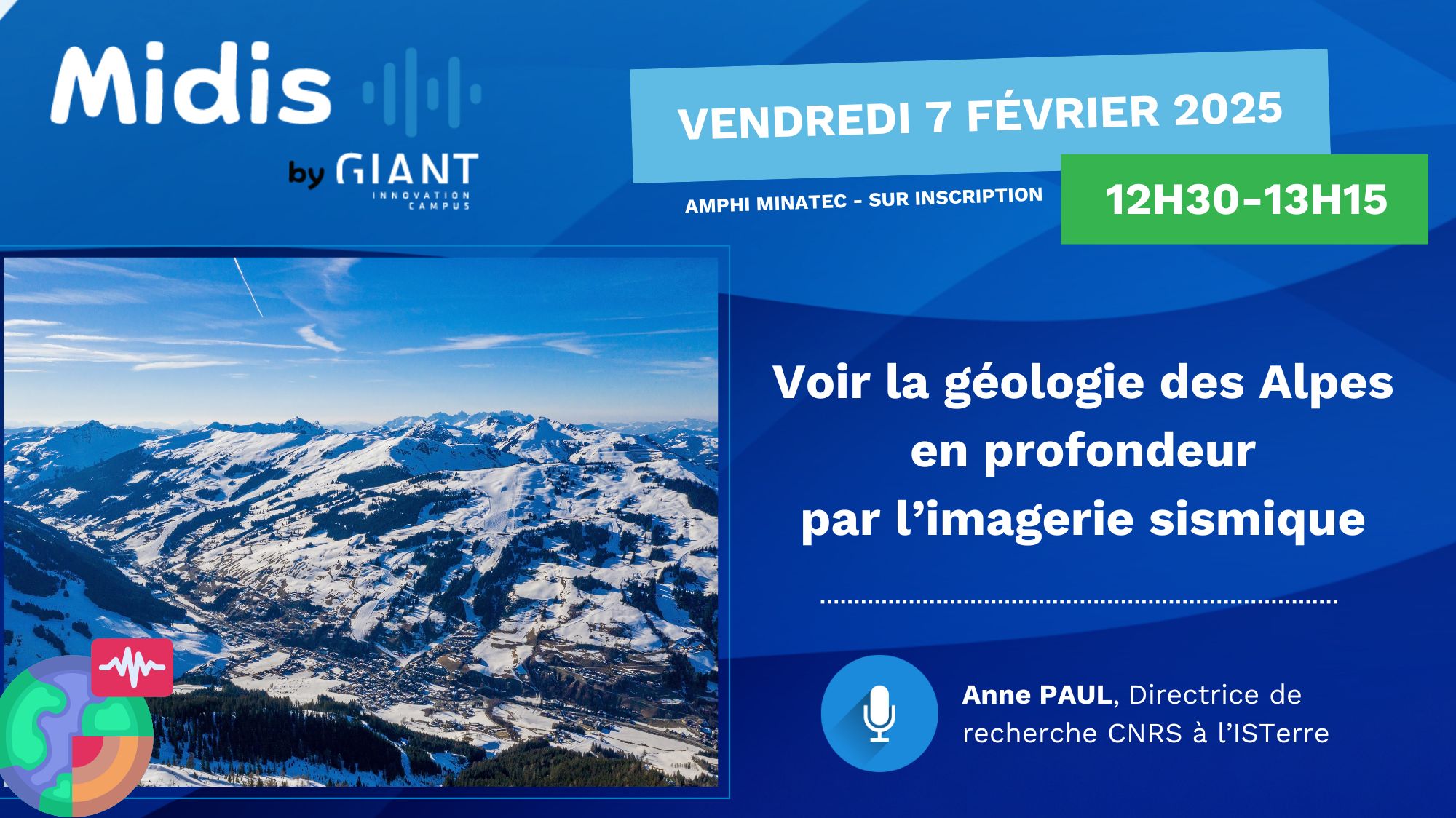
The Alps have been the most studied mountain range by geologists for over a century. To understand in detail how the Alpine chain was formed, why it is still rising in places, and why it generates earthquakes, geologists’ measurements must be supplemented with images of structures below the surface, up to several hundred kilometers deep. Seismology allows us to see below the surface thanks to seismic waves generated by earthquakes or ocean storms, which we record using networks of seismometers. As the Alps have recently been the subject of several major seismological imaging experiments, this conference shows how the results complement geologists’ models to help understand how the most iconic of mountain ranges was formed.
A conference presented by Anne Paul, seismologist and CNRS Research Director at the Institute of Earth Sciences (ISTerre).
2023 – 2024
Friday December 13, 2024
Capriccio Espagnol by Nikolaï Rimski-Korsakov (1844-1908) | Concert
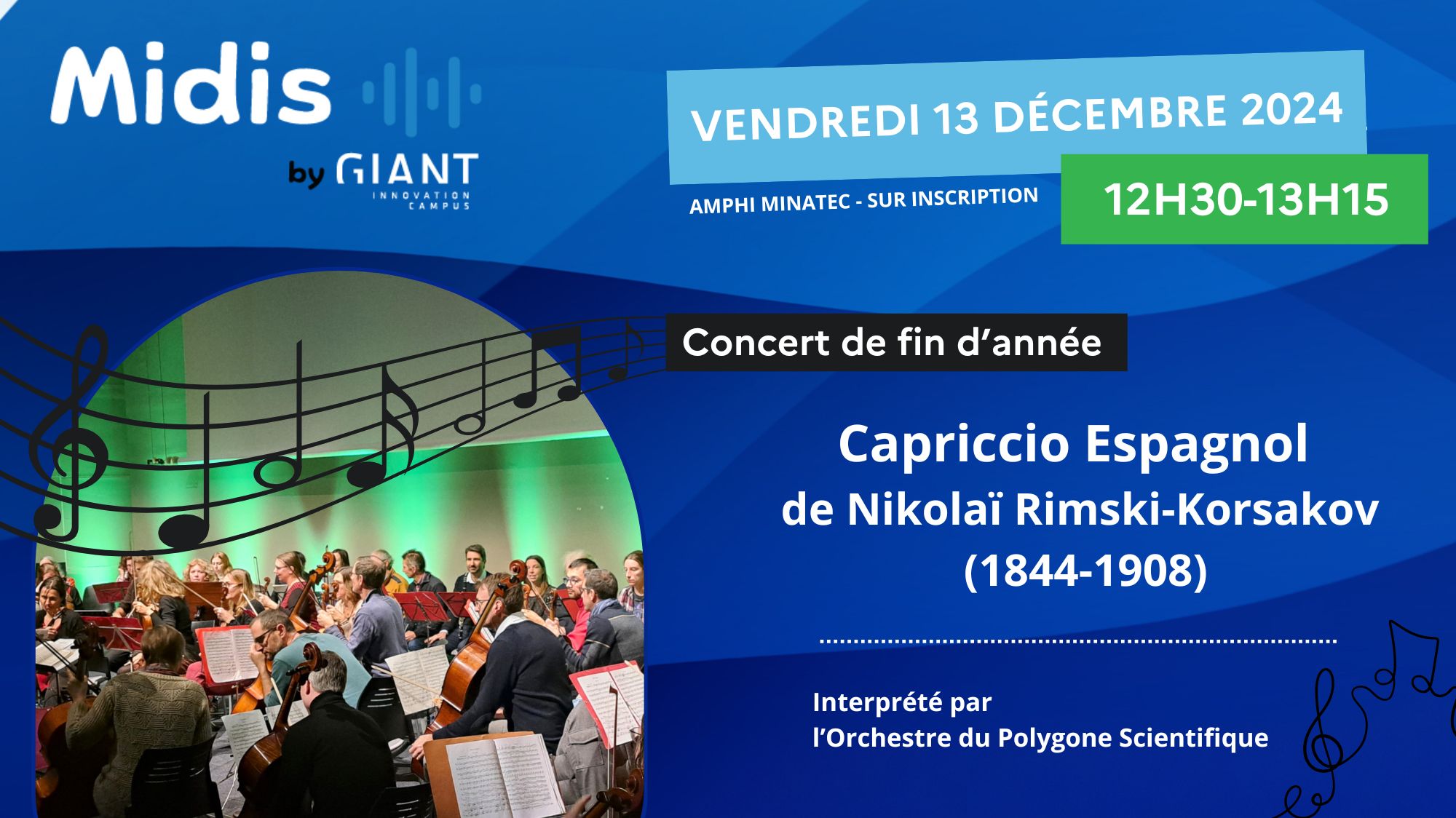
To end the year on a festive and musical note, the last “Midis by GIANT” 2024 offers you an exceptional concert. The Grenoble Scientific Polygon Orchestra will perform Nikolai Rimsky-Korsakov’s (1844-1908) famous Capriccio Espagnol for the occasion.
This work, renowned for its vibrant orchestral colors and captivating rhythms inspired by Spanish music, promises to captivate the audience.
This musical event will offer a moment of conviviality and emotion to all participants as the holiday season approaches.
No replay available
__________________
Friday December 6, 2024
Energy management at the CEA in Grenoble (in french)
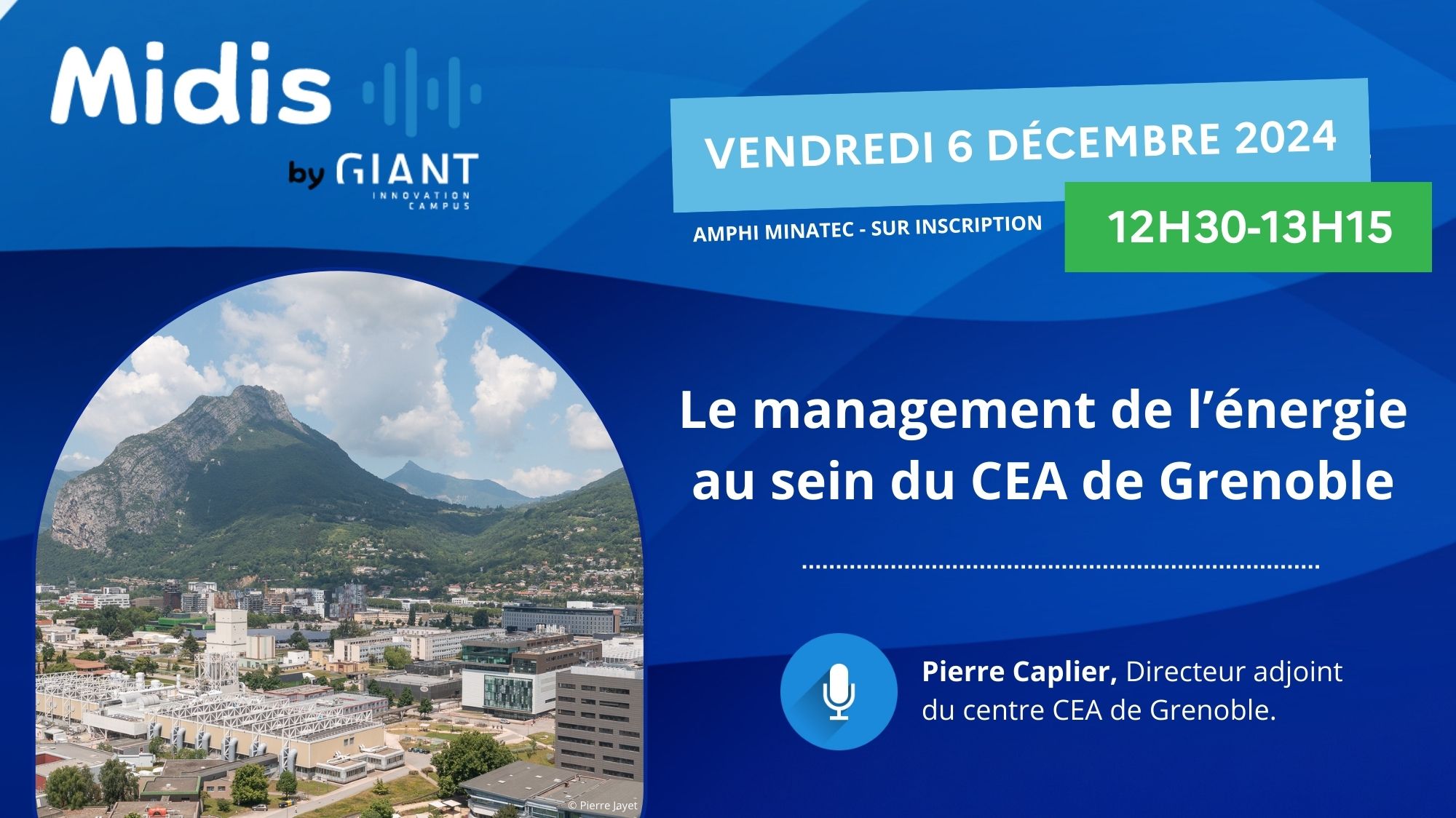
The search for energy savings is a key concern for businesses and organizations, as well as for citizens. Working to improve energy performance is a major challenge that is part of the CEA’s overall strategy, and the optimization and energy management of our buildings and infrastructure are one of the main levers for achieving this.
After a brief presentation of the CEA and the Grenoble center, we will focus our presentation on the following question: how did the CEA center in Grenoble organize itself to implement its Energy Management System (SMEn), which enabled it to obtain ISO 50001 certification in August 2023, and what are the initial results?
A conference presented by Pierre Caplier, Deputy Director of the CEA center in Grenoble.
No replay available
__________________
Friday November 8, 2024
French batteries: training for green reindustrialization (in french)
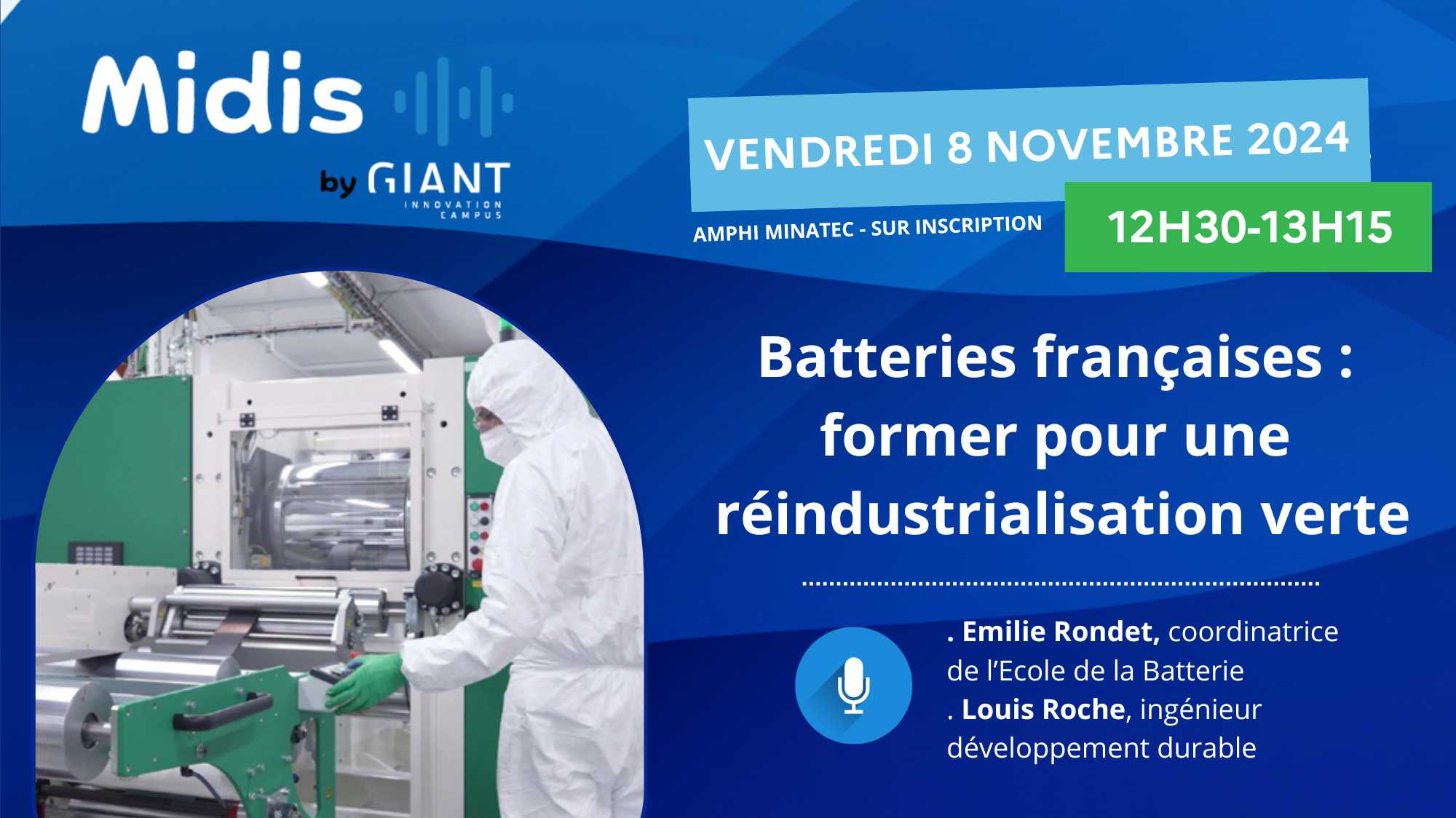
The battery industry is booming in France. Today, car manufacturers are making the shift to electric vehicles, four gigafactories are being set up, and an ecosystem is growing around them. To achieve the production of 2 million electric vehicles in France by 2030, these industries will need to train more than 40,000 people per year. Establishing this industry in France is not only a matter of sovereignty, it is also a means of producing in the most carbon-free way possible. An overview of the challenges and opportunities!
A conference presented by Emilie Rondet, coordinator of the Battery School, and Louis Roche, sustainable development engineer.
__________________
Friday October 11, 2024
The TREC mission and marine plankton exploration (in french)
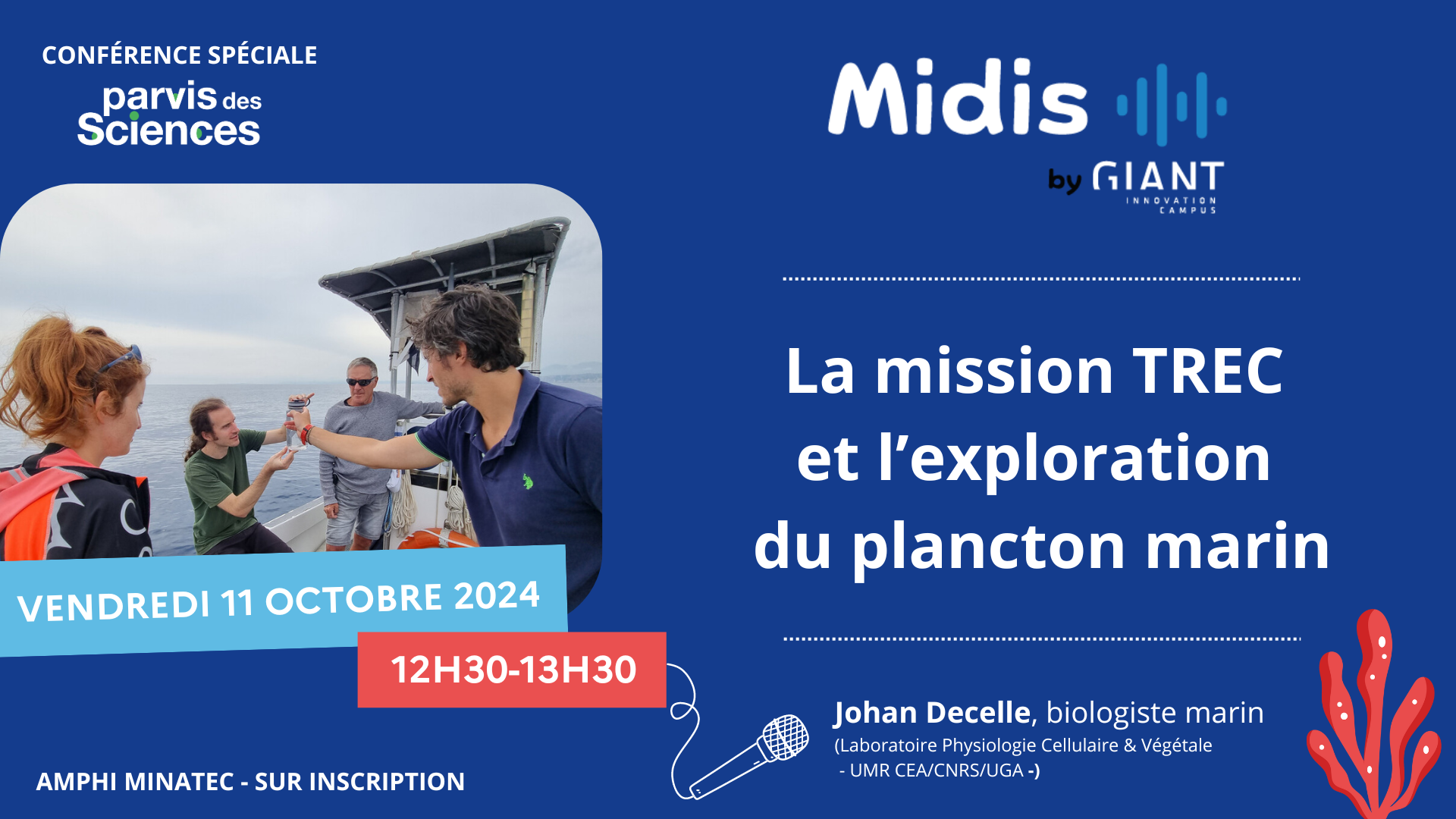
Discover the fascinating world of plankton with Johan Decelle and the Traversing European Coastlines (TREC) mission.
With TREC, the scientific expedition led by the European Molecular Biology Laboratory (EMBL), embark on a journey across European coastlines to explore biodiversity and its adaptability. By combining the expertise and infrastructure of EMBL and multiple partners in Europe, such as the CNRS, TREC aims to usher in a new era of coastal ecosystem exploration. The goal is to observe, model, and understand the effects of changing environments on organisms and communities at the cellular and molecular levels.
Among the organisms studied is plankton, which represents a wide variety of microorganisms living in the oceans. We will explore this plankton, its lifestyle, and its morphologies, with a presentation of new technologies to study it more closely and understand how it reacts to its environment.
The conference will be presented by Johan Decelle, marine biologist at the Cellular & Plant Physiology Laboratory (LPCV, UMR CEA/CNRS/UGA).
__________________
Friday July 5, 2025
Customized immunotherapy for the treatment of cancer and infections (in french)
Cancer and infections are major public health problems affecting the entire world. What if we could develop a tailor-made therapy that could be adapted to treat cancer and infections? This is possible thanks to synthetic chemistry. The research of Angela Martin-Serrano Ortiz focuses on developing antibody recruitment molecules as a new type of immunotherapy to combat these diseases, which cause many deaths and compromise the quality of life of many people.
A conference presented by Angela Martin-Serrano Ortiz, Postdoctoral Researcher in the Department of Molecular Chemistry (I2BM team) at the University of Grenoble-Alpes.
> Replay available <
__________________
Friday June 7, 2024
The nuclear option for cancer treatment (in french)
Recently, the treatment of various metastatic cancers using Internal Radiation Therapy (IRT) has made enormous progress. The ILL contributes to the global radiopharmaceutical industry by producing radioisotopes in its high-flux reactor.
A conference presented by Ulli Koester, Head of the LOHENGRIN instrument and radioisotope production at the ILL.
__________________
Friday May 24, 2024
How can “frugal innovation” be reconciled with “tropical medicine”? (in french)
When it comes to infectious diseases, diagnostic tools used in low-resource regions must be simple, affordable, and easy to maintain, unlike the expensive machines used in high-income countries. We will look at an example, the diagnosis of blood infections in West Africa, to see how frugal innovation can provide low-cost alternatives to Western instruments that are too expensive to be deployed outside a few rare urban centers.
A conference presented by Pierre Marcoux, physicochemist at CEA-Leti (DTBS – Department of Micro-Technologies for Biology and Health).
__________________
Friday May 17, 2024
Genesis and applications of attosecond pulses (in french)
The principles of generating and measuring attosecond pulse trains from high harmonics are reviewed, followed by some applications in atomic physics: photoionization delay, recollision physics, charge migration following the extraction of an electron from a molecule.
Pierre Agostini is a French physicist and pioneer in ultrafast physics at the attosecond scale (one billionth of a billionth of a second), currently Professor Emeritus at Ohio State University. He was awarded the 2023 Nobel Prize in Physics on October 3, 2023, for his work during his career at CEA-Saclay. He shares this prize with his colleague, Anne L’Huillier, who worked in the same CEA laboratory, and Ferenc Krausz of the Max Planck Institute for Quantum Optics in Munich.
Through his pioneering studies of atomic ionization in intense laser fields, Pierre Agostini forged the tools of attosecond metrology, which would make it possible to measure the shortest flashes of light ever produced, paving the way for their use in probing electronic movements in matter.
A conference organized by the GIANT Innovation Campus and the French Physical Society.
__________________
Friday March 29, 2024
Amazing networks in the brain (in french)
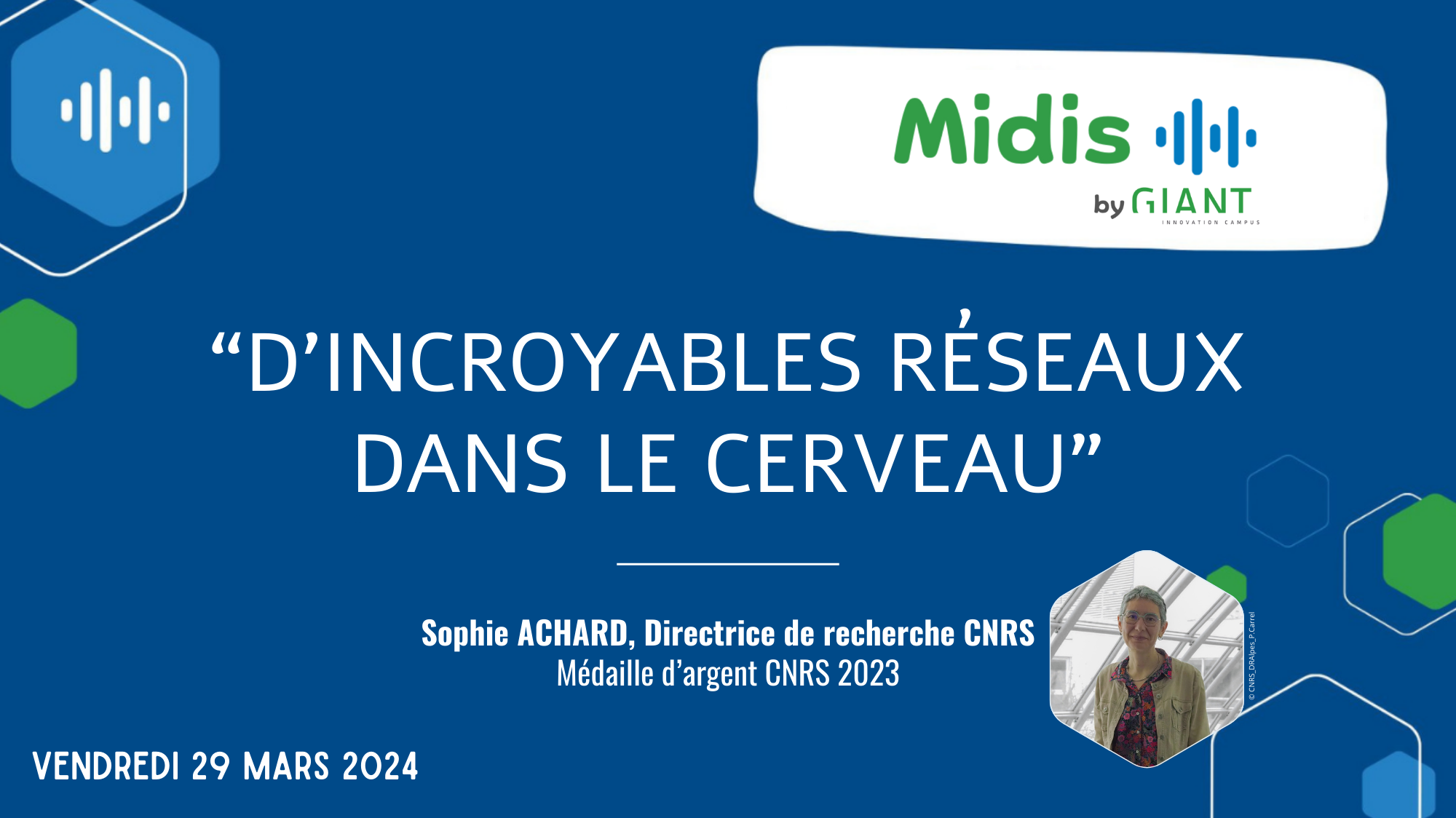
Our understanding of how the brain works is still rapidly developing. It is now possible to record brain activity in a non-invasive way in both healthy individuals and patients. The brain can be modeled as a network or graph, with brain regions as nodes and anatomical or functional brain connections as edges. In this presentation, Sophie Achard shows how analyzing brain networks can help us understand recovery after a coma.
A conference presented by Sophie Achard, CNRS Research Director (Jean Kuntzmann Laboratory), CNRS Silver Medal 2023.
Photo credits : © CNRS_DRAlpes_P.Carrel
__________________
Friday February 8, 2024
Magnetism at your fingertips (in french)
Do you know why a magnet sticks to the fridge? How can you visualize magnetic field structures? A team of six high school students passionate about science at the Cité Scolaire Internationale Europole in Grenoble asked themselves these questions and built a low-tech magnetic force microscope (MFM for specialists) to visualize magnetic fields using recycled materials. On Friday, March 8 at 12:30 p.m., come discover their project, which was made possible thanks to the support of the “magnetism peninsula” ecosystem (CIME-Nanotech, CNRS-Louis Néel, and Phelma-INP), shared with fifth graders from Fontaine schools (Partager la Science program), and which won second prize in the national Physics Olympiad in February 2024.
A conference presented by Sinan, Neil, Elodie, Noor, Himanshu, and Rafael, seniors at the Cité Scolaire Internationale Europole in Grenoble.
__________________
Friday February 9, 2024
What kind of training in microelectronics is needed to meet the challenges of tomorrow? (in french)
Digital technology has developed rapidly since the 2000s, leading to exponential growth in the amount of data transferred and processed. However, all digital equipment is based on microelectronic components, circuits, and systems. These consume electrical energy, which is growing exponentially, leading to a societal dead end. The current challenge is to reduce their consumption by a factor of 10 at a minimum. Numerous solutions resulting from research activities have been identified. Their implementation requires new skills in priority areas of microelectronics that meet the needs of companies facing a recruitment crisis. A strategy to acquire these skills is being led by the French national microelectronics training network GIP-CNFM, which is spearheading the development of expertise and innovation in order to meet societal challenges in the areas of energy and sustainable technologies.
A conference presented by Olivier Bonnaud, Professor Emeritus at the University of Rennes, Director General of the National Coordination for Training in Microelectronics and Nanotechnologies (GIP-CNFM).
__________________
Friday January 12, 2024
Denuclearization of the CEA center in Grenoble (in french)
The CEA center in Grenoble, created in 1956, developed from research conducted in the nuclear sector. By the early 2000s, France’s nuclear power program had reached maturity. The CEA therefore reduced its fleet of large experimental instruments and decided to denuclearize its Grenoble center. The PASSAGE project was created to carry out the dismantling of the center’s six Basic Nuclear Installations (INBs). In April 2023, with the declassification of the last two facilities, the PASSAGE project achieved its objective: the CEA denuclearized the Grenoble center, demonstrating the feasibility of completing the INB life cycle at the site level. The presentation traces the major stages of this project.
A conference presented by Annick Ginet, former dismantling project manager – Civil Engineering and Decommissioning Advisor at the CEA center in Grenoble.
No replay available